Women's Self-Defense San Diego: Why Learn Jiu-Jitsu?
Practical leverage, creating space, boundary-setting, and Five Peaks' local Women's Self-Defense program sharing real techniques that protect yourself and your family.
September 14, 2026Tierrasanta, San DiegoBy Five Peaks Jiu Jitsu
Confidence isn't about believing nothing bad could ever happen. It's about learning how to respond thoughtfully when life puts you in an unfamiliar situation.
For women exploring self-defense training in San Diego, Brazilian Jiu-Jitsu offers something different from a traditional workout. It introduces practical concepts of balance, leverage, controlling distance, escaping restrictive positions, and responding to physical resistance.
- You don't have to consider yourself athletic.
- You don't have to be aggressive.
- And you don't need previous martial arts experience to begin learning.
Whether your interest comes from personal safety, fitness, confidence, or simply wanting to challenge yourself, here's what Brazilian Jiu-Jitsu can offer women who are considering their first class.
What Makes Brazilian Jiu-Jitsu Relevant to Women's Self-Defense?
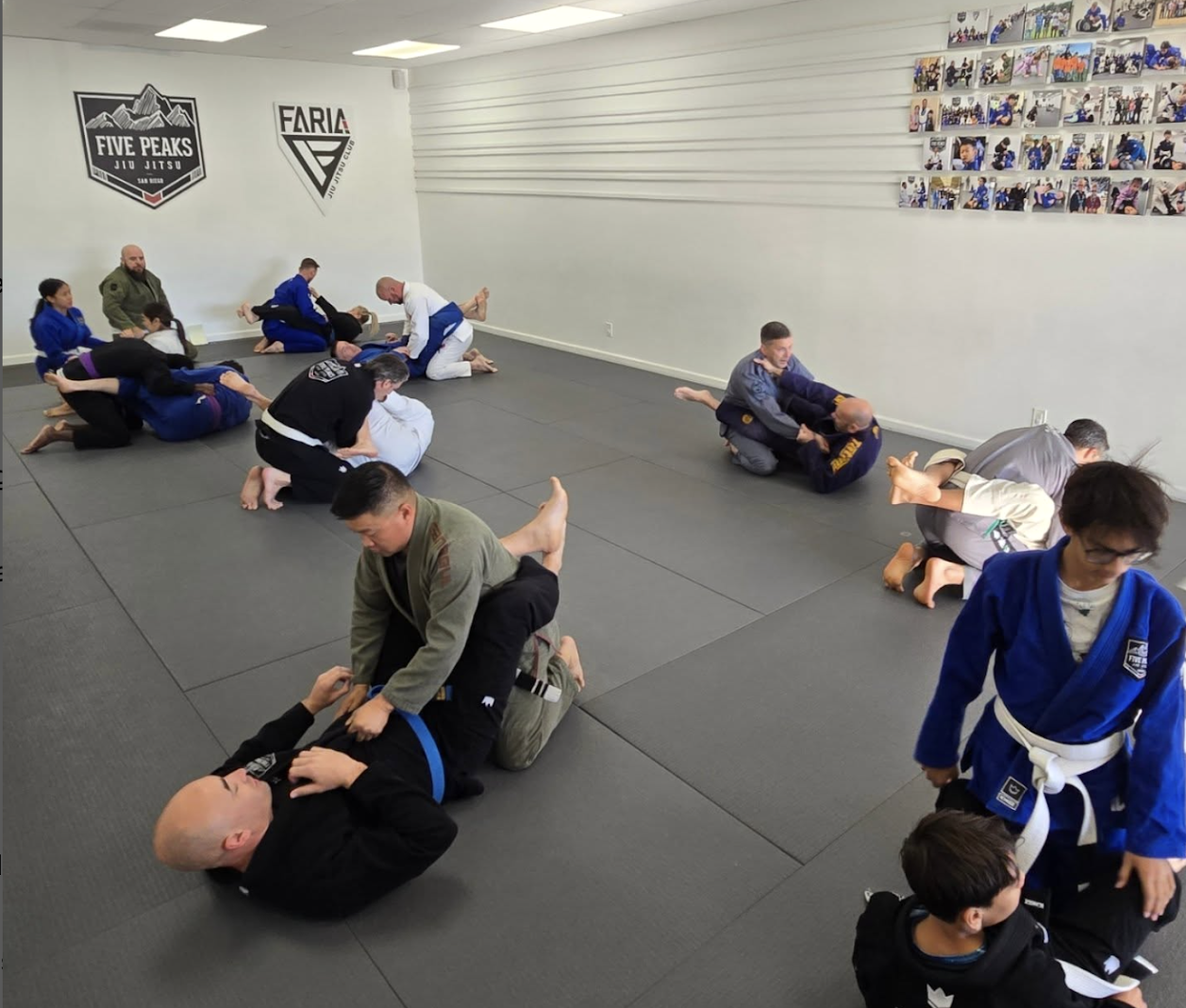
Brazilian Jiu-Jitsu, commonly known as BJJ, focuses on grappling and positional control. Unlike martial arts centered primarily on striking, BJJ teaches students how to manage situations involving grips, body contact, and ground positions.
A key principle is using leverage and positioning to make movements more effective. This is particularly relevant when someone is facing a physically stronger person.
“Technique does not erase differences in strength, size, athleticism, or the unpredictability of a real confrontation. No martial art guarantees personal safety — what Jiu-Jitsu provides is a structured opportunity to develop movement skills and experience dealing with controlled physical resistance.”
1. Learning How to Create Space and Escape
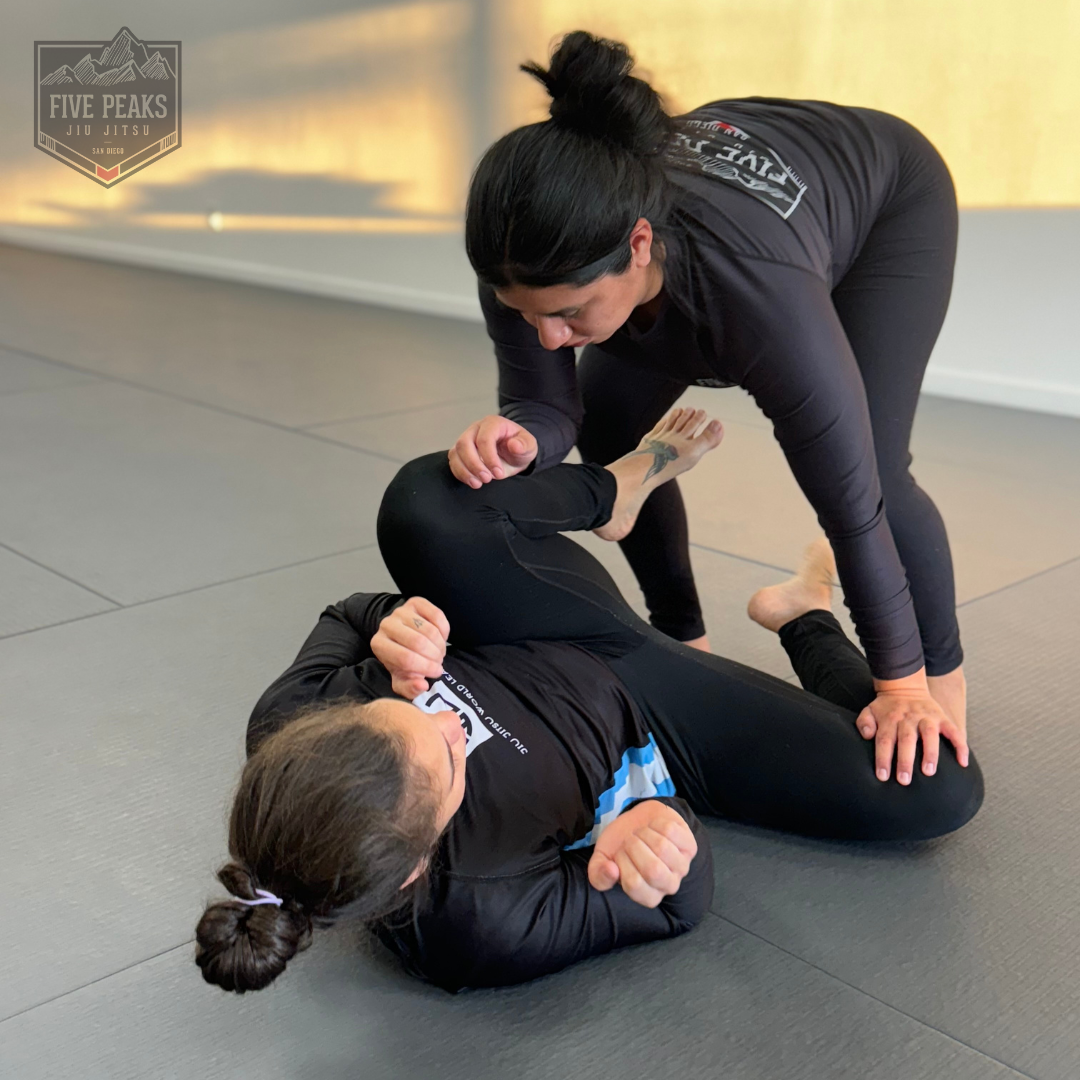
One of the most useful concepts in Jiu-Jitsu is learning how to create space when another person is restricting your movement. A beginner practices foundational movements such as:
- Establishing a stable position.
- Using the hips to create distance.
- Protecting the arms and neck.
- Regaining movement from underneath a partner.
- Escaping certain controlling positions.
- Returning to a safer position when possible.
These techniques are taught through repetition and practice with training partners. At first, even simple movements can feel unfamiliar. Over time, the goal is to become more comfortable understanding your position, identifying opportunities to move, and applying appropriate technique. In a real self-defense situation, escaping and getting to safety should generally take priority over attempting to win a physical confrontation.
2. Understanding Leverage Instead of Relying Entirely on Strength
Physical strength plays a role in every contact sport. But strength isn't the only variable. Jiu-Jitsu also emphasizes positioning, timing, balance, and efficient body mechanics. For example, changing the angle of your hips can create an opportunity that wasn't available when pushing directly against someone's strength.
Learning these principles can help smaller practitioners develop more effective grappling skills. This doesn't mean that someone with less strength will always overcome a larger opponent. Instead, it means there's a technical approach to study, practice, and improve. For women who have never experienced grappling, discovering how much positioning matters can be one of the most empowering parts of training.
3. Practicing Under Controlled Pressure
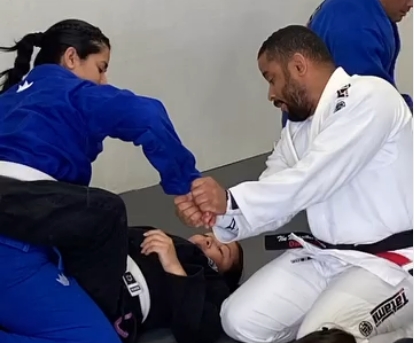
Watching a self-defense demonstration is very different from physically practicing a technique. When you're unfamiliar with close-contact movement, even a cooperative drill can initially feel awkward. Jiu-Jitsu introduces these situations in a controlled training environment. You practice with a partner, learn to recognize different positions, and gradually understand how your body responds.
As your experience grows, appropriate forms of resistance can help you test your understanding. The objective isn't to create fear or overwhelm beginners — it's to develop familiarity and competence through instruction and practice. A responsible training environment should encourage communication, consent to the level of practice, and respect for physical boundaries.
4. Self-Defense Is More Than Physical Techniques
Some of the most important self-defense decisions happen before physical contact occurs. Comprehensive personal safety involves:
- Situational awareness — Paying attention to your surroundings and recognizing when a situation feels concerning.
- Boundary-setting — Communicating clearly when someone's behavior or proximity is unacceptable.
- De-escalation — Avoiding unnecessary confrontation when it is safe and possible to do so.
- Creating distance — Moving away from threatening situations and seeking a safer environment.
- Getting assistance — Contacting appropriate emergency services or trusted people when help is needed.
Physical grappling skills are only one part of a broader personal-safety approach. BJJ is especially useful for learning grappling principles, but comprehensive self-defense education should always address prevention, escape, and decision-making.
5. Building Confidence Through Learning
There's a difference between being told that you're capable of something and discovering what you're capable of through experience. Imagine walking into your first class feeling uncertain: you don't know the terminology, you're learning unfamiliar movements, and you have to ask questions.
Then, after several sessions, something starts to click. You understand how to move your hips to create space. You recognize a position you've practiced before. You can complete a technique that once seemed confusing. That sense of progress builds genuine confidence — not because you've become invincible, but because you've invested time in learning something challenging and can see yourself improving.
6. Jiu-Jitsu Can Also Be an Engaging Workout
Self-defense may be the reason someone first becomes interested in BJJ, but it's not necessarily the only reason they continue training. Jiu-Jitsu involves movement, coordination, balance, and muscular effort. Depending on the class and individual intensity, it can provide a physically demanding workout.
It also requires total attention. You're thinking about positioning and technique while responding to another person's movements. For women who want exercise with a learning component, this combination offers an engaging alternative to conventional fitness routines, delivering physical fitness and mental well-being simultaneously.
7. Do You Need a Women's-Only Class?
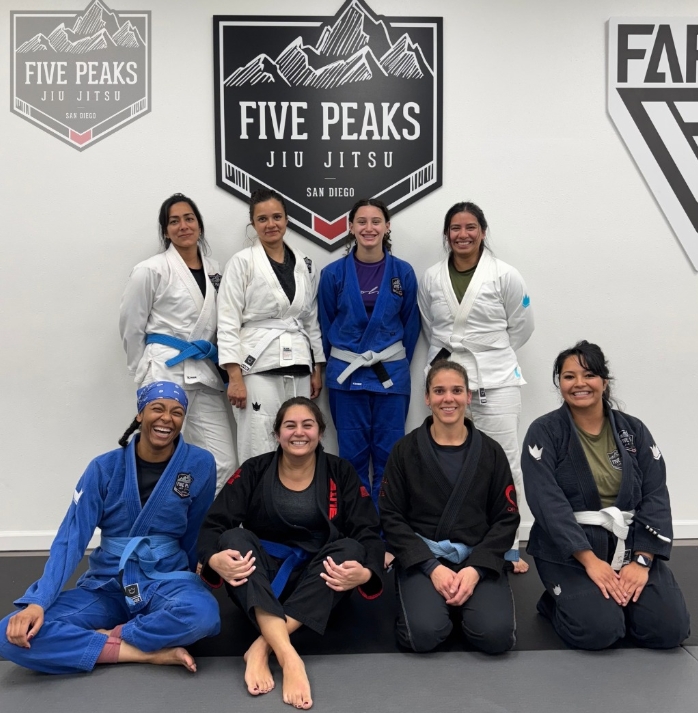
Not necessarily. Some women prefer women-only classes, particularly when first becoming comfortable with grappling. Others enjoy coed training environments. There isn't one correct choice for everyone. What's important is finding a school that takes instruction, safety, communication, and respectful training seriously.
Before joining an academy, consider asking:
- How are beginners introduced to training?
- How are training partners selected?
- Can students communicate preferences about training partners?
- What happens if someone is uncomfortable during a drill?
- Does the academy address practical self-defense concepts?
- Are instructors attentive to differences in experience and ability?
8. What Should Women Expect in Their First BJJ Class?
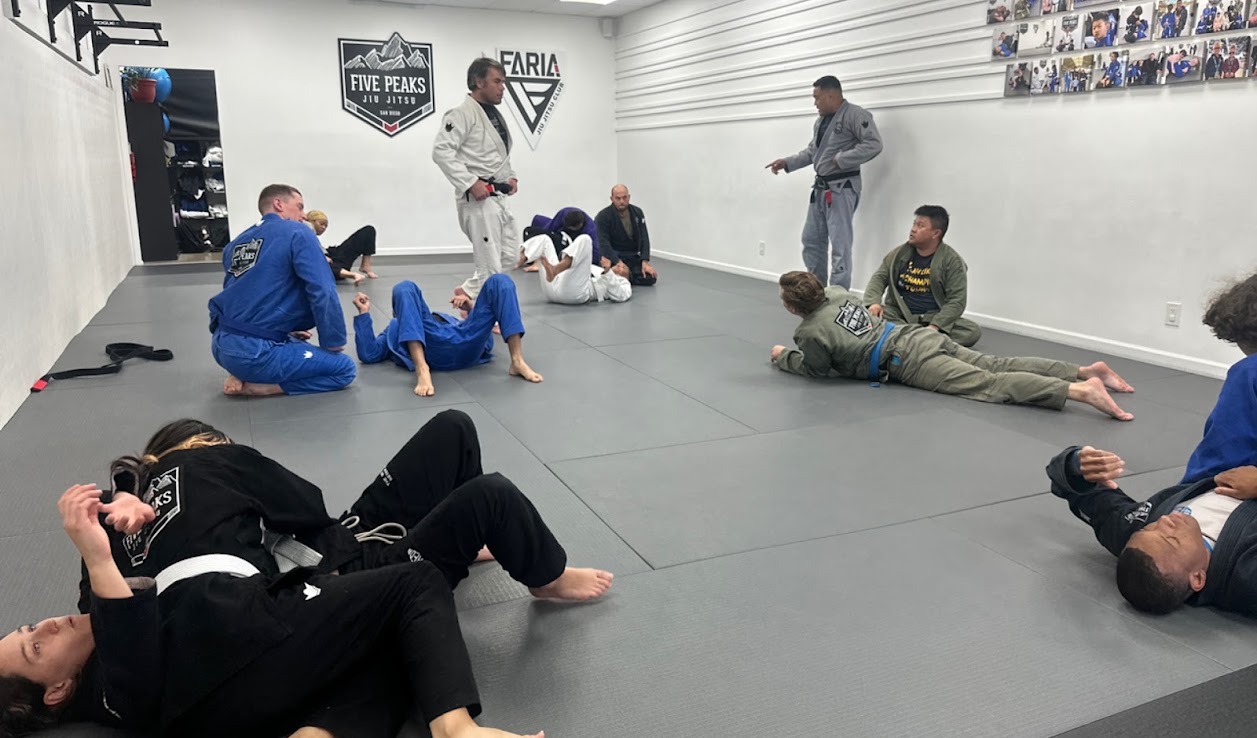
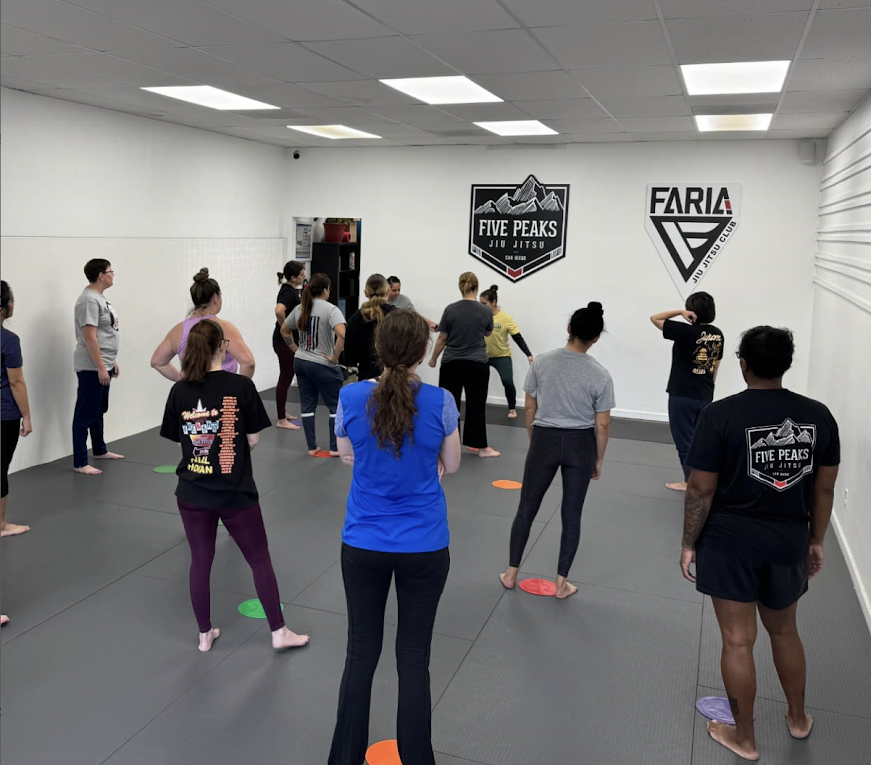
For your first visit, focus on learning rather than performing. You will be introduced to basic positions, controlled partner drills, and movements that help you understand the foundations of grappling. Depending on the class format, students wear a traditional Jiu-Jitsu uniform (gi) or suitable athletic clothing (rash guard and leggings or shorts).
Contact the academy beforehand to confirm what you should bring. It's always appropriate to explain any injuries, limitations, or concerns to your instructor. And remember: you can communicate whenever you need to stop. Learning to tap is an essential safety practice. Our adult jiu jitsu program is structured so every student progresses safely.
9. Discovering Brazilian Jiu-Jitsu in San Diego
San Diego has an established martial arts community, with opportunities to explore different training styles and schools. If you're researching self-defense training in Tierrasanta or surrounding San Diego neighborhoods, consider visiting a school and learning about its approach.
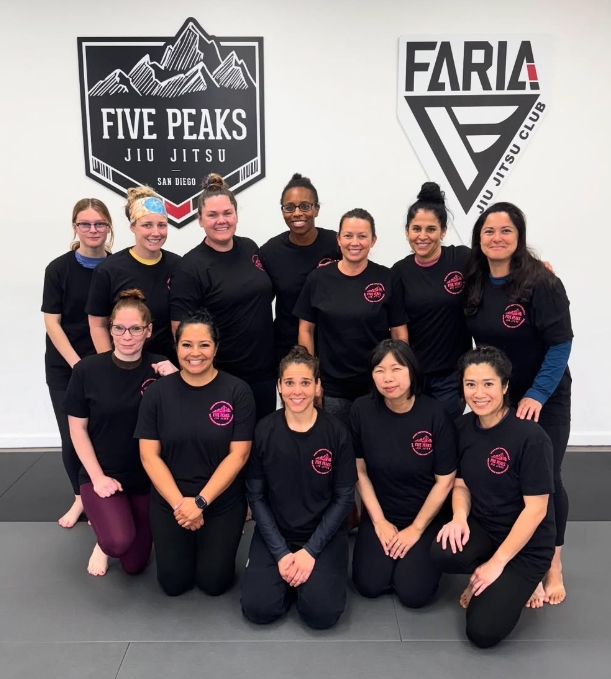
Five Peaks Jiu Jitsu introduces students to a martial art centered on technique, leverage, positional control, and personal development. Beyond regular adult classes, Five Peaks actively hosts local women's self-defense seminars sharing the essential, real-world techniques women need to know. The skills you learn provide immediate peace of mind for yourself, give you tools to protect your children and loved ones, and foster a safer, more connected local community.
“You don't have to be fearless to begin something new. You don't have to arrive knowing how to defend yourself. You can begin with curiosity — learn one movement, ask one question, and discover what you're capable of.”
women's self defense San DiegoBrazilian jiu jitsu for womenfemale self defense trainingwomen's martial arts San DiegoBJJ self defense
Try Jiu Jitsu for Free in Tierrasanta
Claim one free class — no commitment, no gear required. All ages and experience levels welcome at Five Peaks Jiu Jitsu.
Claim Your Free Trial